



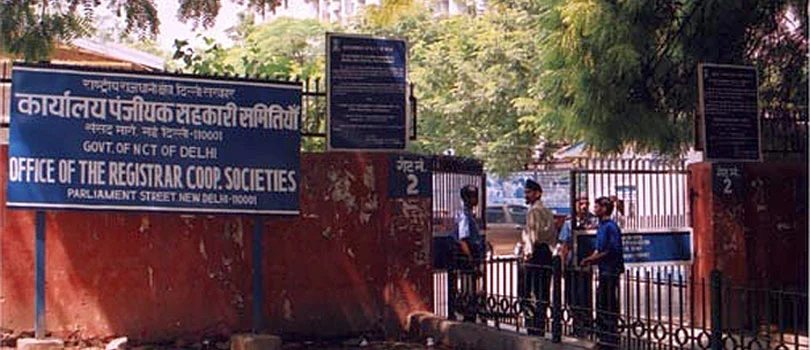
Cooperative group housing societies in Delhi have been directed to conduct comprehensive safety audits of their buildings and common facilities, with managing committees responsible for identifying deficiencies and ensuring timely corrective action.
The move seems to be prompted by the recent building collapse at Satya Niketan, which exposed the structural vulnerability of buildings in Delhi. Delhi has 1979 registered cooperative housing societies.
In a circular dated October 1, the Office of the Registrar of Cooperative Societies (RCS) invoked Rule 106 of the Delhi Cooperative Societies Rules, 2007, which places responsibility on managing committees for the inspection, repair and maintenance of society property. The directive also refers to government instructions on safety audits of cooperative group housing societies.
The audit is expected to cover structural stability, fire safety arrangements and lift operations. Societies must also inspect common areas and facilities for damage or defects that could endanger residents.
Key directives for cooperative housing societies
Managing committees should undertake the following activities as part of the safety exercise:
- Structural safety: Arrange assessment by qualified structural engineers and inspect buildings for major cracks, seepage, leakage, roof damage, deteriorating external walls, staircase damage and other potential hazards.
- Fire safety: Verify the validity of fire safety certificates or No Objection Certificates (NOCs), wherever applicable, and check the functioning of firefighting equipment and other safety installations.
- Lift safety: Verify valid lift inspection or safety certificates and ensure proper maintenance and safe functioning of lifts.
- Inspection of common facilities: Examine buildings, common areas and shared facilities to identify deficiencies that could threaten occupants or property.
- Corrective action: Initiate remedial measures immediately wherever defects are detected and arrange necessary repairs and maintenance.
- Reporting serious risks: Inform the competent authority about any serious structural or safety deficiency posing an imminent threat to life or property, while taking appropriate precautionary measures.
- Coordination with authorities: Approach the Delhi Development Authority (DDA), Municipal Corporation of Delhi (MCD), Delhi Fire Service or other competent agencies wherever their intervention is required, and follow up until necessary action is taken.
- Documentation and preparedness: Maintain records of inspections, identified deficiencies and action taken, and ensure attention to disaster management and fire prevention plans.
The circular reiterates that managing committees are responsible for building safety, regular inspections and timely maintenance under Rule 106. The responsibilities therefore extend beyond identifying defects to ensuring that necessary action follows.
Societies have also been asked to submit compliance reports to the RCS. The department will monitor compliance and coordinate further action wherever required.
The directive places the onus on housing societies to adopt a systematic approach to safety, with documented inspections, timely repairs and escalation of risks that require intervention by public authorities.
